.png)
If you’ve ever opened a new cream and the smell felt a bit “too strong,” or your kid’s plastic bottle had that odd plastic taste—your body noticed. Mine did too. A few years back, when I was struggling with hormonal issues, I stopped the usual foods and toiletries. Finding safe alternatives here wasn’t easy; most of what I needed I had to bring from abroad. Pricey, confusing, and honestly, exhausting. But it taught me something simple: when we choose cleaner products, our bodies calm down.
What plastic and harsh chemicals do to our bodies
Many everyday plastics and synthetic additives can mess with how our hormones signal—tiny messages that run everything from growth and mood to fertility and metabolism. These “endocrine-disrupting chemicals” (EDCs) are found in things like some food packaging, fragrances, and personal-care formulas. They don’t act like a poison you feel right away; they quietly nudge systems off-balance over time. Leading health bodies warn that EDCs are linked with reproductive and developmental problems and other long-term issues. (US EPA, World Health Organization)
Hormones, skin, and gut—how products can ripple through
Fragrance mixes, certain preservatives, and plasticizers (like some phthalates) can irritate skin, disrupt the barrier, and disturb the delicate bacteria that support our gut and immunity. Over time, that kind of exposure is tied to hormone imbalance and knock-on effects across the body. The science isn’t about panic—it’s about patterns: repeated contact, little by little, adds up. (PMC)
Why children are hit harder
Kids breathe faster, have more skin exposure per body weight, and their organs are still developing—so whatever is in air, dust, bottles, lotions, and toys reaches them more intensely. Here in Bangladesh, we also face lead risks from informal recycling, batteries, and paints—another toxic exposure that harms developing brains. Protecting children isn’t about being perfect; it’s about lowering the everyday load. (UNICEF)
Early puberty, menstrual changes—what’s going on?
Some hormone-disrupting chemicals have been associated with earlier puberty and menstrual irregularities. Research isn’t a courtroom verdict, but the trend is consistent enough to warrant caution—especially with products that touch skin daily (lotions, shampoos, cosmetics) or food contact (packaging, soft plastics). (CDC Stacks)
For women: pre-menopause, post-menopause, and beyond
When hormones are already shifting, extra chemical “noise” can make symptoms feel louder—sleep, mood, hot flashes, cycle changes. Again, no scare talk—just reality: reducing exposures where possible is a reasonable, body-kind step recommended by public health and environmental health experts worldwide. (CDC Stacks)

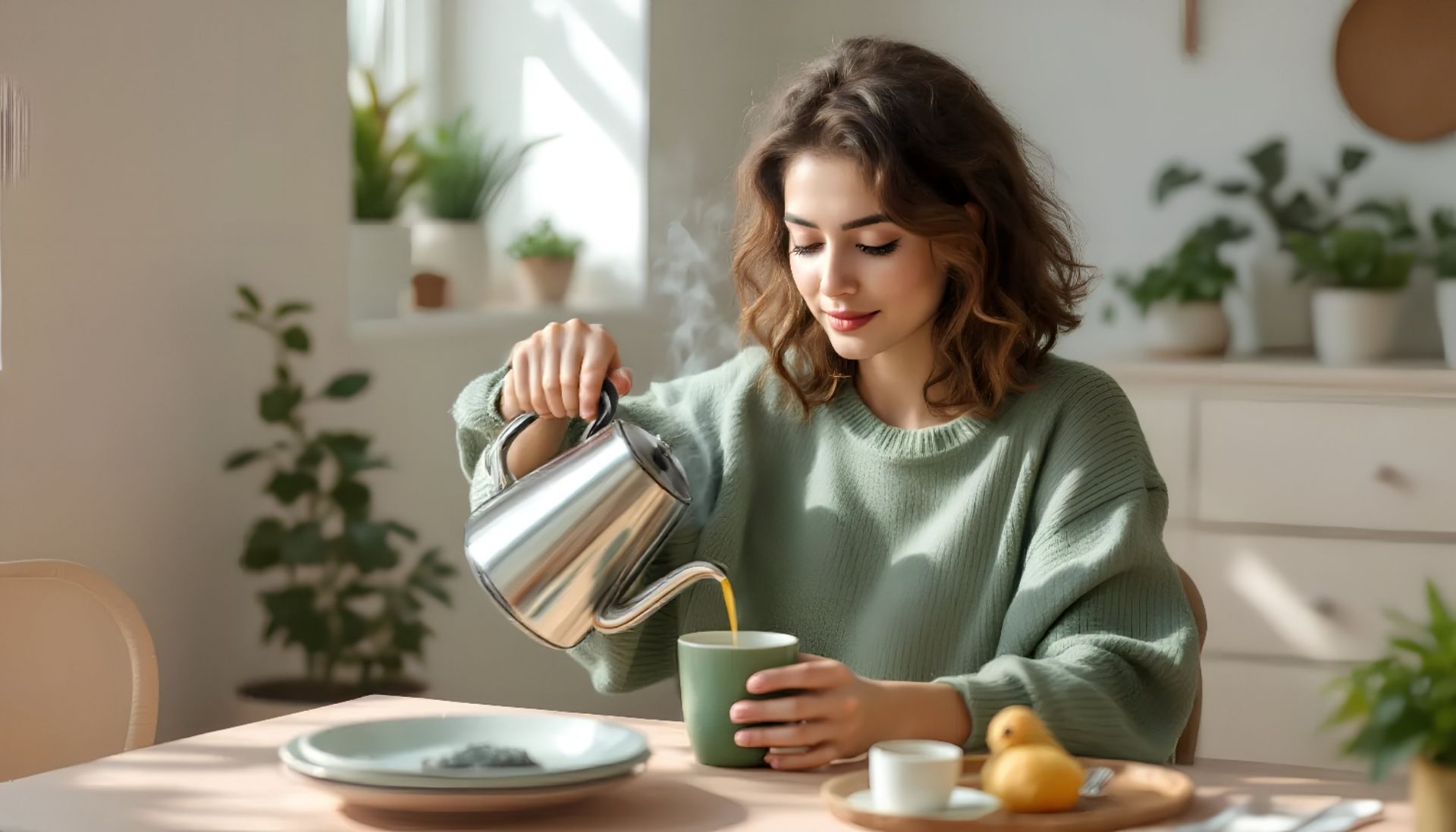
“Morning stillness, clean choices. A mindful pause before the day begins.”
Okay, so what do we do—practically, in Bangladesh?
1) Start with swaps you control every day
Food contact
Use glass or stainless-steel for hot foods and drinks. Avoid microwaving in plastic or pouring hot tea into plastic cups.

plastic vs glass containers for food
Fragrance-light living
Choose products labeled fragrance-free or naturally scented; “parfum”/“fragrance” can hide many chemicals.

Reading a fragrance-free ingredients label on a lotion bottle
Simpler formulas
Shorter ingredient lists are easier to vet. Look for recognizable plant oils, butters, and soap bases.

Looking for recognisable ingredients label
Baby/child items
Prefer inert materials (glass, steel, solid wood). Wash new textiles before use.
Home care
Try basic cleaners (vinegar for glass, baking soda paste for sinks). Save the heavy stuff for rare jobs.

“Natural cleaning kit with vinegar, baking soda, and a spray bottle.”
2) Read the label like a detective
- Be wary of unknown blends: heavy synthetic fragrance, long lists you can’t trace.
- Avoid marketing fog. “Herbal” on the front means little; the ingredients list tells the truth.
- Certifications (e.g., USDA Organic, COSMOS/Ecocert) can help when available. If not, check brand transparency: Do they list full ingredients? Do they explain sourcing?

Read the label like a detective

Look for certifications, sourcing
3) When choice is limited or prices are high
Prioritize exposure, not perfection. Start with what touches you most: body wash, lotion, deodorant, lip products, diapers/wipes, cookware, water bottles.
Local, small-batch makers: Some Bangladeshi artisans are doing cleaner soaps, oils, and household items. Ask for full ingredient lists.

“Handmade soap bars from a small batch maker.”
Bulk and basic: A big bottle of plain castile soap + a few reusable bottles can replace multiple cleaners.

Bathroom shelf with unscented products
Food first: Whole foods, less packaged snacks, and fresh home cooking reduce a lot of hidden chemicals from packaging.

“Fresh produce in a reusable bag on a kitchen counter.”
4) Parents—shop with a small checklist
- Skin: fragrance-free, dye-free, gentle surfactants.
- Toys: fewer soft plastics; choose wood or fabric when possible.
- Lunch gear: stainless tiffin box, not soft plastic for hot rice and curry.

Child packing lunch in a stainless-steel box for school.
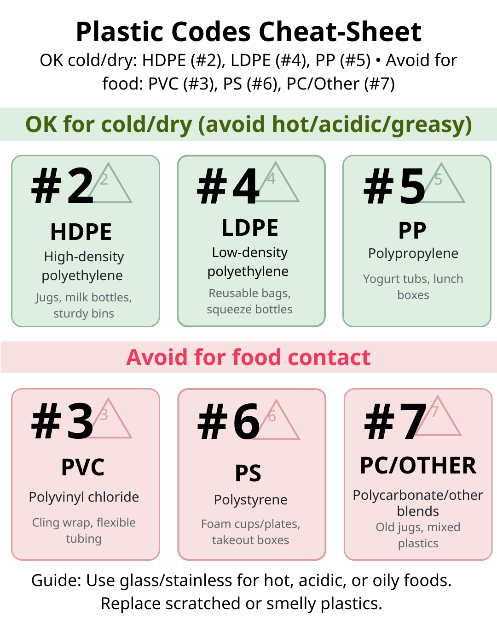
- If plastic is a must: choose BPA-free, food-grade PP (#5), HDPE (#2), or LDPE (#4). Keep plastic for cold/dry items only.
- Avoid for hot: do not pour hot curry/tea into plastic, don’t microwave plastic, and don’t wash with boiling water.
- Skip: PC (#7), PVC (#3), PS/foam (#6) for food use.
- Care: replace if scratched/cloudy; strong smells = leaching risk.
- Note: “BPA-free” doesn’t mean “chemical-free.” Other bisphenols (like BPS/BPF) can still be present.
- Sun & bugs: look for mineral sunscreens (zinc oxide) and simple repellents; test on a small patch first.

Sun protection moment: applying mineral sunscreen to a kid.
5) Spread awareness without shaming
- Share what you learned; don’t lecture.
- Host a tiny “label-reading” session at school or the local club.
- Encourage shops to carry at least one fragrance-free soap, one mineral-based sunscreen, one stainless bottle.
A word on brands and “cheap vs. expensive”
Price isn’t the whole story. Some high-end labels carry heavy fragrance and harsh additives; some simple, no-name items are cleaner. Judge by ingredients, not image. And yes—true organic/eco options can cost more. That’s why we push for better local choices and more transparency. If big investors and importers seriously backed safer products—or partnered with proven eco-friendly global companies—families here could choose according to their budget and health. That’s the Bangladesh I want to see.
My short pledge (and invite)
I’m not chasing perfection. I’m choosing fewer chemicals where it counts, one swap at a time—and helping my community do the same. If you’re a parent, a shop owner, a doctor, a policymaker, or just someone who wants a calmer body and home: join in. Ask questions. Read labels. Nudge your supplier. Your small choice today becomes a child’s healthier tomorrow.
(For the curious: global health agencies continue to examine plastics, microplastics, and EDCs; the direction of travel is clear—less exposure is better for long-term health.) (UNEP, Harvard Chan School)

Leave your comment